Buy xuum.eu ?
We are moving the project
xuum.eu .
Are you interested in purchasing the domain
xuum.eu ?
domain@kv-gmbh.de · 0541-91531010
Buy xuum.eu ?
Are those healthy budgie beaks?
It is difficult to determine the health of the budgie beaks without a closer examination. Healthy budgie beaks are typically smooth, well-shaped, and free from any discoloration or deformities. If the beaks appear overgrown, discolored, or have any signs of damage, it may indicate a health issue that requires attention from a veterinarian. Regular monitoring and providing appropriate toys and perches for chewing can help maintain the health of budgie beaks. **
How do budgerigars make sounds with their beaks?
Budgerigars, also known as budgies, make sounds with their beaks by grinding their upper and lower beaks together. This action creates a soft, chattering sound that is often used as a form of communication between budgies. Additionally, budgies can also produce a variety of vocalizations, including chirps, whistles, and squawks, by using their syrinx, a vocal organ located at the base of their trachea. These vocalizations are used for various purposes, such as attracting a mate, warning of danger, or expressing contentment. **

Similar search terms for Beaks
Top-Angebote
Products related to Beaks:
-
Discount Dollar Deals Workbench Caster Wheels For Tables Retractable Stepdown Swivel Design For Easy Mobility Workbench Caster Wheels For Tables Retractable Stepdown Swivel Design For Easy MobilityMake your workspace more flexible with our workbench caster wheels, designed for easy movement and stability. Whether youre working in a home garage or a professional workshop, these sidemounted retractable wheels provide smooth mobility for your...59,97 $*Shipping: 0,00 $Secure redirect to the provider
-
Innovation: Fourth Edition Board Game by Asmadi Games for 2-4 PlayersInnovation: Fourth Edition is a strategic card game for 2–4 players. Build a civilization through ideas, inventions, and cultural advances by developing technologies and sharing achievements. Each card can provide different benefits depending on how it's used, creating varied strategies and unexpected shifts throughout the game. This edition includes updated artwork and streamlined rules for the expansions, as well as Age 11 cards for each set and the new expansion, The Unseen, which adds further possibilities to the core experience. With hundreds of cards and numerous combinations, every game can unfold differently.18,09 £*Shipping: 3,95 £Secure redirect to the provider
-
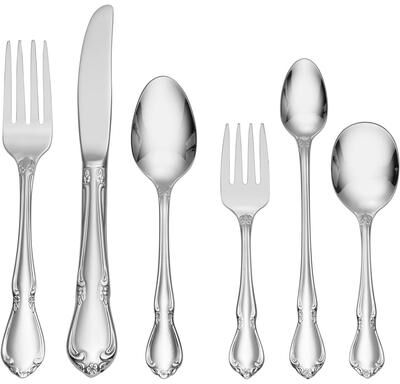
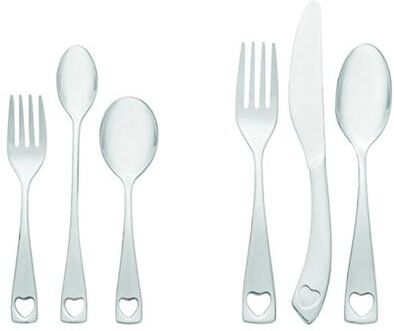
Oneida Little Love 6 Piece Fine Flatware Progress SetNew or experienced, moms need some help. Gift them easier table training with a Little Love for their little ones. Punched heart shapes entertain while including kids with age-appropriate sizes, durable stainless steel, and easy-to-maneuver designs.37,99 $*Shipping: 0,00 $Secure redirect to the provider


-
Why do birds move their beaks so jerkily?
Birds move their beaks jerkily because it allows them to quickly and accurately capture prey, such as insects or small fish. This rapid movement helps them to snatch their prey with precision and speed, making it easier for them to catch their food. Additionally, the jerky movement of their beaks may also help birds to break open seeds or nuts, allowing them to access the nutritious contents inside. Overall, the jerky movement of their beaks is an adaptation that helps birds to efficiently feed and survive in their natural environment. **
-
Do my budgerigars have cracks in their beaks?
It is not uncommon for budgerigars to have small cracks or imperfections in their beaks. This can be caused by a variety of factors such as diet, genetics, or environmental conditions. However, if the cracks appear to be deep, causing bleeding or affecting the bird's ability to eat or groom itself, it is important to consult a veterinarian for proper treatment. Regular monitoring of your budgerigars' beaks and providing a balanced diet can help prevent and manage any issues with their beaks. **
-
What is special about the beaks of the Darwin's finches?
The beaks of Darwin's finches are special because they have evolved to be different shapes and sizes in order to adapt to different food sources. This is a classic example of adaptive radiation, where a single ancestral species diversifies into multiple species with different ecological roles. The beak shapes of the finches allow them to access different types of food, such as seeds, insects, or nectar, depending on the specific environmental conditions of their habitat. This variation in beak morphology has allowed the finches to successfully exploit a wide range of ecological niches in the Galápagos Islands. **
-
Why do tits peck at the window with their beaks?
Tits may peck at windows for a few reasons. They may see their reflection and mistake it for a rival bird, leading them to peck at the window in an attempt to drive the "intruder" away. Additionally, they may be trying to access insects or other food that they see on the other side of the window. In some cases, they may also be trying to build a nest or find a suitable nesting site. It's important to try to deter this behavior, as it can be harmful to the birds and may also damage the window. **


What do the beaks and feet of birds have to do with their food?
The beaks and feet of birds are adapted to help them obtain and consume their food. The shape and size of a bird's beak is often specialized for the type of food it eats, such as a long, thin beak for probing into flowers for nectar or a strong, hooked beak for tearing into flesh. Similarly, the feet of birds can be adapted for different purposes, such as webbed feet for swimming and catching fish, or talons for grasping and carrying prey. Overall, the beaks and feet of birds play a crucial role in helping them find, capture, and consume their food. **
Why do birds tuck their beaks into their feathers on their back when sleeping?
Birds tuck their beaks into their feathers on their back when sleeping as a way to keep warm and conserve energy. By tucking their beaks, they can reduce heat loss and maintain their body temperature during the night. This behavior also helps protect their beaks from potential predators while they are vulnerable and asleep. Additionally, tucking their beaks into their feathers can help birds maintain a streamlined shape, making it easier for them to stay balanced and stable while perched. **
Top-Angebote
Products related to Beaks:
-
Pan Make Brilliant Work: Lessons on Creativity, Innovation and Success by Rod Judkins - Paperback - Self-Help/Business Creativity Guide, Author ofMake Brilliant Work is an inspiring guide by Rod Judkins, drawing on the real-life stories of visionaries from Frida Kahlo to Steve Jobs. This paperback book reveals the methods and mindsets that turn ordinary effort into extraordinary results. Judkins proves that talent alone never guaranteed success — persistence, risk-taking and original thinking did. A motivating read for anyone wanting to unlock their creative potential at work or in life. The book profiles figures who failed at school, were told they lacked talent, or were fired more than once, yet went on to achieve great things. Written by Rod Judkins, published by Pan Macmillan, this book is a reassuring truth: you don't have to be naturally brilliant to produce brilliant work.2,99 £*Shipping: 2,99 £Secure redirect to the provider
-
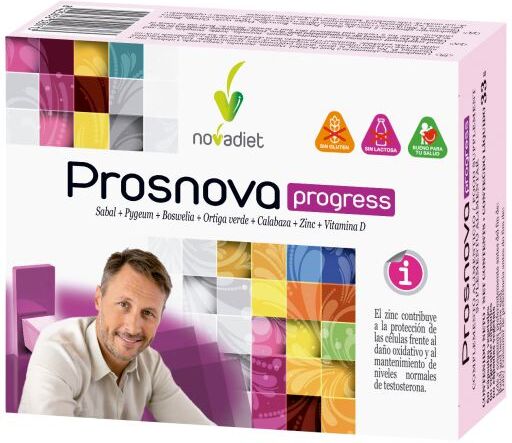
Novadiet Prosnova Progress 60 CapsulesNutrition and Supplements Special supplements Novadiet Prosnova Progress 60 Capsules If you're a man over 40, you've likely begun to notice urinary problems. Benign prostatic hyperplasia (BPH) is the most common reason for male urological consultations. It begins to manifest itself after the age of 40, affecting 80% of men by age 70 and 90% of those over 85. It is a benign, age-related enlargement of the prostate, associated with low testosterone levels, a slow-growing condition that causes significant discomfort and significantly impacts quality of life. Prostate growth compresses the urethra as it passes through the gland, causing a series of secondary discomforts: difficulty starting to urinate; a thin, weak, and intermittent urine stream; a feeling of not having emptied the bladder after urinating; having to urinate multiple times during the day (pollakiuria) and at night (nocturia); urinary incontinence, abdominal pain, and discomfort when urinating may also occur. Take one capsule with breakfast and another with dinner, with water. Recommended daily dose: 2 capsules.18,91 £*Shipping: 3,99 £Secure redirect to the provider
-
Discount Dollar Deals Workbench Caster Wheels For Tables Retractable Stepdown Swivel Design For Easy Mobility Workbench Caster Wheels For Tables Retractable Stepdown Swivel Design For Easy MobilityMake your workspace more flexible with our workbench caster wheels, designed for easy movement and stability. Whether youre working in a home garage or a professional workshop, these sidemounted retractable wheels provide smooth mobility for your...59,97 $*Shipping: 0,00 $Secure redirect to the provider
-
Are those healthy budgie beaks?
It is difficult to determine the health of the budgie beaks without a closer examination. Healthy budgie beaks are typically smooth, well-shaped, and free from any discoloration or deformities. If the beaks appear overgrown, discolored, or have any signs of damage, it may indicate a health issue that requires attention from a veterinarian. Regular monitoring and providing appropriate toys and perches for chewing can help maintain the health of budgie beaks. **
-
How do budgerigars make sounds with their beaks?
Budgerigars, also known as budgies, make sounds with their beaks by grinding their upper and lower beaks together. This action creates a soft, chattering sound that is often used as a form of communication between budgies. Additionally, budgies can also produce a variety of vocalizations, including chirps, whistles, and squawks, by using their syrinx, a vocal organ located at the base of their trachea. These vocalizations are used for various purposes, such as attracting a mate, warning of danger, or expressing contentment. **
-
Why do birds move their beaks so jerkily?
Birds move their beaks jerkily because it allows them to quickly and accurately capture prey, such as insects or small fish. This rapid movement helps them to snatch their prey with precision and speed, making it easier for them to catch their food. Additionally, the jerky movement of their beaks may also help birds to break open seeds or nuts, allowing them to access the nutritious contents inside. Overall, the jerky movement of their beaks is an adaptation that helps birds to efficiently feed and survive in their natural environment. **
-
Do my budgerigars have cracks in their beaks?
It is not uncommon for budgerigars to have small cracks or imperfections in their beaks. This can be caused by a variety of factors such as diet, genetics, or environmental conditions. However, if the cracks appear to be deep, causing bleeding or affecting the bird's ability to eat or groom itself, it is important to consult a veterinarian for proper treatment. Regular monitoring of your budgerigars' beaks and providing a balanced diet can help prevent and manage any issues with their beaks. **
Similar search terms for Beaks
-
Innovation: Fourth Edition Board Game by Asmadi Games for 2-4 PlayersInnovation: Fourth Edition is a strategic card game for 2–4 players. Build a civilization through ideas, inventions, and cultural advances by developing technologies and sharing achievements. Each card can provide different benefits depending on how it's used, creating varied strategies and unexpected shifts throughout the game. This edition includes updated artwork and streamlined rules for the expansions, as well as Age 11 cards for each set and the new expansion, The Unseen, which adds further possibilities to the core experience. With hundreds of cards and numerous combinations, every game can unfold differently.18,09 £*Shipping: 3,95 £Secure redirect to the provider
-
Oneida Little Love 6 Piece Fine Flatware Progress SetNew or experienced, moms need some help. Gift them easier table training with a Little Love for their little ones. Punched heart shapes entertain while including kids with age-appropriate sizes, durable stainless steel, and easy-to-maneuver designs.37,99 $*Shipping: 0,00 $Secure redirect to the provider
-
WeBotanix Marinecol Mobility 250 grNutrition and Supplements Collagens and Cartilage WeBotanix Marinecol Mobility 250 gr What is Webotanix Marinecol Mobility 250 gr? Webotanix Marinecol Mobility 250g is an innovative nutritional supplement designed to improve joint health and mobility in people of all ages. Formulated with high-quality ingredients, this product utilizes the science of marine biotechnology to provide comprehensive joint support, promoting an active and healthy life. Its powder form makes it easy to integrate into your daily routine, ensuring you get all the benefits of this powerful supplement with every dose. Benefits: The benefits of Webotanix Marinecol Mobility are numerous and translate into a better quality of life. These include: - Improves joint mobility and flexibility. - Reduces inflammation and pain associated with physical activity. - Promotes the regeneration of articular cartilage. - Increases muscle resistance and recovery. - Contributes to the overall health of the musculoskeletal system. This supplement is ideal for those looking to maintain an active lifestyle free from joint discomfort, allowing them to enjoy every activity without limitations. Who is it for? Webotanix Marinecol Mobility 250g is aimed at a wide variety of people, including: - Athletes and athletes who want to improve their performance and recovery. - Older people seeking to maintain their mobility and quality of life. - Those who suffer from joint discomfort due to conditions such as arthritis or natural wear and tear of the joints. - Anyone who wants to prevent joint problems and improve their overall well-being. It is a versatile product that adapts to the needs of those who want to take care of their joint health. How do I apply it? Applying Webotanix Marinecol Mobility 250g is simple and convenient. For best results, follow these steps: 1. **Mix** one scoop of the powder with water, juice, or your favorite smoothie. 2. **Take it** once a day, preferably on an empty stomach to maximize nutrient absorption. 3. **Maintain** a consistent intake to see optimal results in your mobility and joint well-being. Remember that for best results, it's important to combine this supplement with a balanced diet and an active lifestyle. Buy Webotanix Marinecol Mobility 250 gr If you want to improve your joint health and enjoy an active life, don't hesitate to buy Webotanix Marinecol Mobility 250g . This high-quality supplement will help you achieve your wellness and mobility goals. Find the product in our online store and take advantage of our special offer. Your body will thank you! Improve your joint mobility with Webotanix Marinecol Mobility 250g. Buy now and enjoy an active life!26,92 £*Shipping: 3,99 £Secure redirect to the provider
-
What is special about the beaks of the Darwin's finches?
The beaks of Darwin's finches are special because they have evolved to be different shapes and sizes in order to adapt to different food sources. This is a classic example of adaptive radiation, where a single ancestral species diversifies into multiple species with different ecological roles. The beak shapes of the finches allow them to access different types of food, such as seeds, insects, or nectar, depending on the specific environmental conditions of their habitat. This variation in beak morphology has allowed the finches to successfully exploit a wide range of ecological niches in the Galápagos Islands. **
-
Why do tits peck at the window with their beaks?
Tits may peck at windows for a few reasons. They may see their reflection and mistake it for a rival bird, leading them to peck at the window in an attempt to drive the "intruder" away. Additionally, they may be trying to access insects or other food that they see on the other side of the window. In some cases, they may also be trying to build a nest or find a suitable nesting site. It's important to try to deter this behavior, as it can be harmful to the birds and may also damage the window. **
-
What do the beaks and feet of birds have to do with their food?
The beaks and feet of birds are adapted to help them obtain and consume their food. The shape and size of a bird's beak is often specialized for the type of food it eats, such as a long, thin beak for probing into flowers for nectar or a strong, hooked beak for tearing into flesh. Similarly, the feet of birds can be adapted for different purposes, such as webbed feet for swimming and catching fish, or talons for grasping and carrying prey. Overall, the beaks and feet of birds play a crucial role in helping them find, capture, and consume their food. **
-
Why do birds tuck their beaks into their feathers on their back when sleeping?
Birds tuck their beaks into their feathers on their back when sleeping as a way to keep warm and conserve energy. By tucking their beaks, they can reduce heat loss and maintain their body temperature during the night. This behavior also helps protect their beaks from potential predators while they are vulnerable and asleep. Additionally, tucking their beaks into their feathers can help birds maintain a streamlined shape, making it easier for them to stay balanced and stable while perched. **
* All prices are inclusive of VAT and, if applicable, plus shipping costs. The offer information is based on the details provided by the respective shop and is updated through automated processes. Real-time updates do not occur, so deviations can occur in individual cases. ** Note: Parts of this content were created by AI.